
Expert Insights: Maintaining Hygiene in Medical Facilities


The Importance of Hygiene in Medical Facilities
Maintaining hygiene in medical facilities is crucial to ensuring the safety and well-being of both patients and healthcare professionals. A clean environment helps prevent the spread of infections and diseases, which can have serious consequences in a healthcare setting. In this blog post, we will explore expert insights on maintaining hygiene and the best practices to follow.

Understanding the Risks
Medical facilities are breeding grounds for germs and bacteria due to the high volume of patients and various medical procedures that take place. Infections acquired in hospitals, known as nosocomial infections, are a significant concern. These infections can lead to extended hospital stays, increased medical costs, and, in severe cases, can be life-threatening. Thus, maintaining stringent hygiene standards is imperative.
Healthcare-associated infections (HAIs) are preventable with proper hygiene practices. By understanding the risks, medical staff can implement more effective cleaning protocols and reduce the likelihood of infections spreading.
Best Practices for Hygiene Maintenance
To maintain a high standard of hygiene, medical facilities must adhere to several best practices:
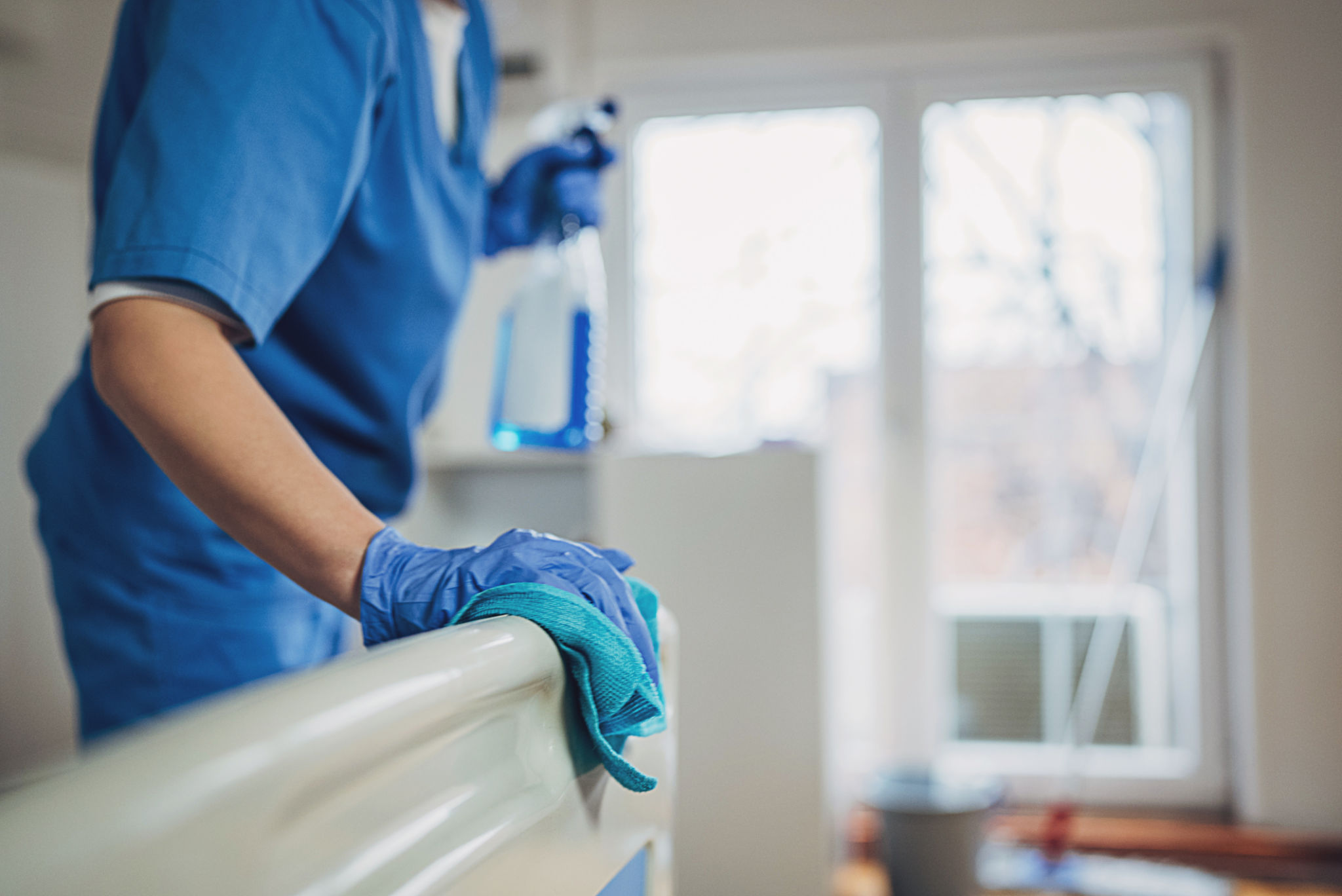
- Regular Cleaning: Ensure that all areas, including patient rooms, operating theaters, and common areas, are cleaned and disinfected regularly.
- Hand Hygiene: Encourage regular handwashing with soap and water or the use of hand sanitizers among staff and visitors.
- Use of Personal Protective Equipment (PPE): Staff should wear appropriate PPE, such as gloves and masks, to minimize the risk of contamination.
Role of Technology in Maintaining Hygiene
Technological advancements have made it easier to maintain hygiene in medical facilities. Automated cleaning devices, such as UV light disinfectant systems, can effectively eliminate germs and bacteria from surfaces, reducing the need for manual cleaning. Additionally, digital monitoring systems can track hygiene compliance among staff, ensuring that protocols are consistently followed.
By leveraging technology, hospitals can improve their hygiene standards, providing a safer environment for patients and healthcare professionals alike.
Training and Education
Proper training and education are vital for maintaining hygiene in medical facilities. Staff should receive regular training on the latest hygiene practices and the importance of adhering to them. This can be achieved through workshops, seminars, and online courses designed to keep healthcare professionals informed and competent.

Educational programs should also emphasize the role of each staff member in preventing infections, fostering a culture of accountability and vigilance.
Conclusion
Maintaining hygiene in medical facilities is a continuous effort that requires commitment from all staff members. By understanding the risks, implementing best practices, leveraging technology, and prioritizing training, healthcare facilities can significantly reduce the incidence of infections and provide a safer environment for everyone. Ensuring cleanliness and hygiene is not just about compliance; it is about safeguarding lives.